Loading...

On-Grid Solar System

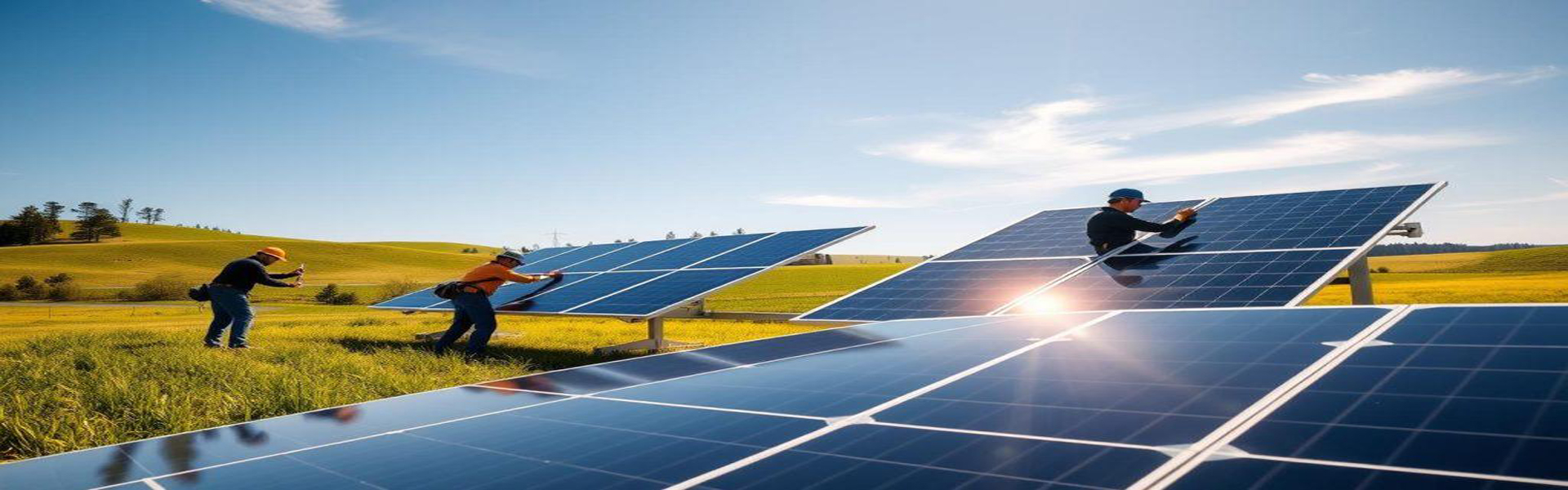
An on-grid solar system is also known as a grid-tied system, since it is connected to the main utility grid through a bi-directional (net) meter. Many households prefer on-grid solar because, with a stable grid connection, it can meet most or all home electricity needs.
One major advantage of installing an on-grid solar system at home is the financial subsidy provided by the Government of India. Homeowners in India can receive subsidies typically ranging from ₹30,000 to ₹78,000, depending on the installed solar capacity.
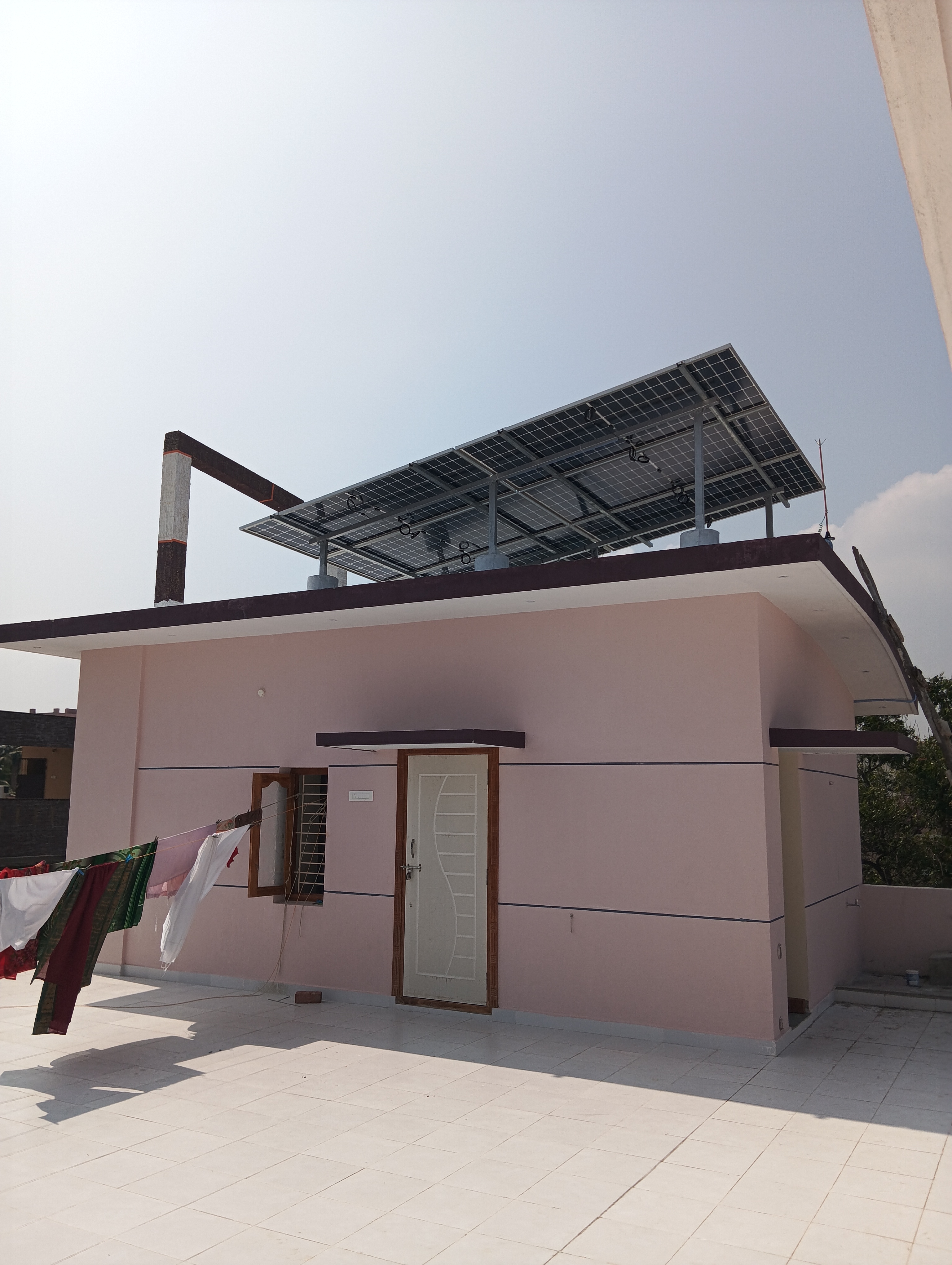
In an on-grid solar system, sunlight is captured by solar panels and converted into DC electricity, which is then changed into AC power by an inverter and supplied to the grid. Most Indian homes with a reliable grid connection choose on-grid solar, since this system is powerful enough to support all household energy requirements.

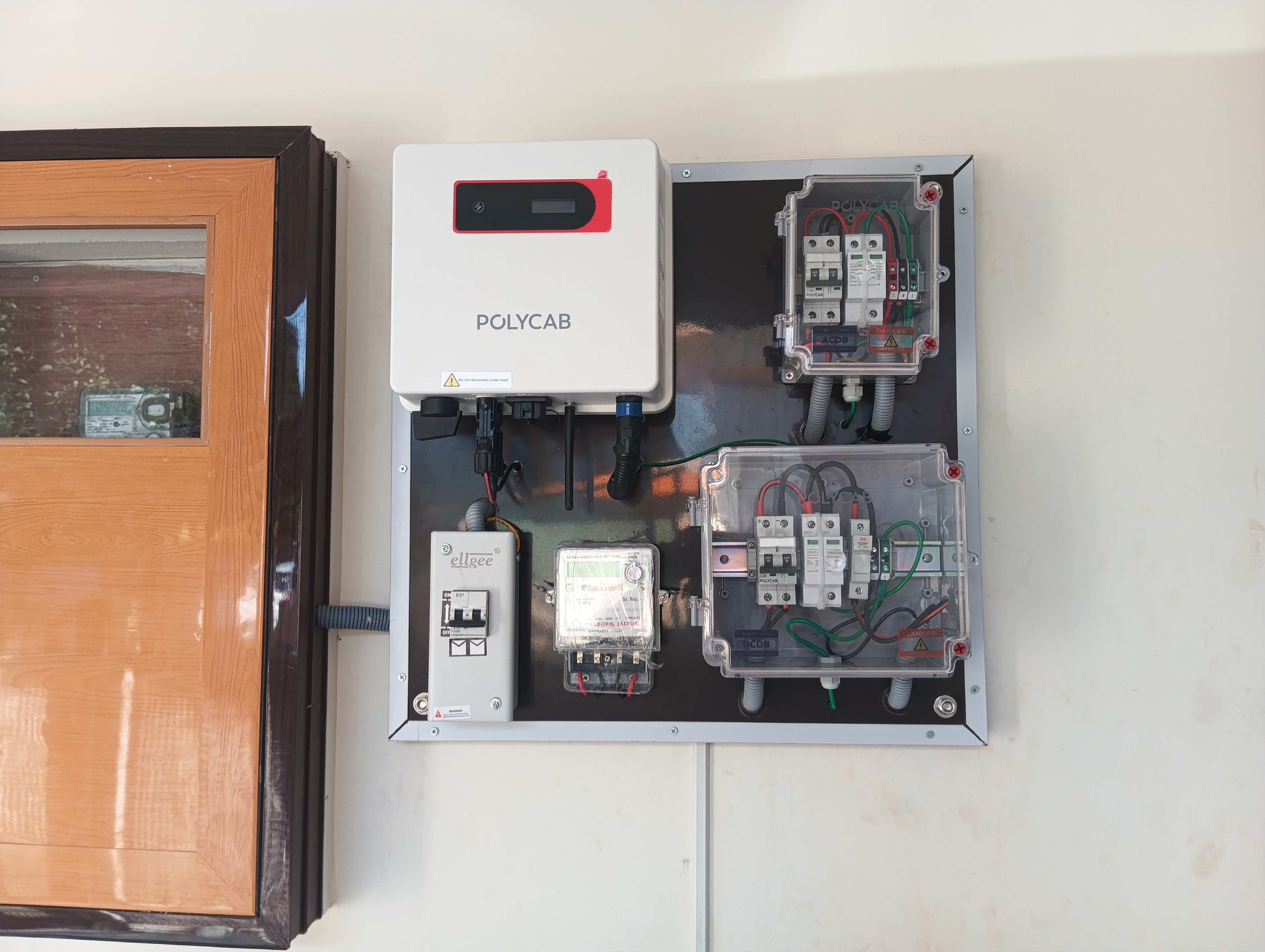
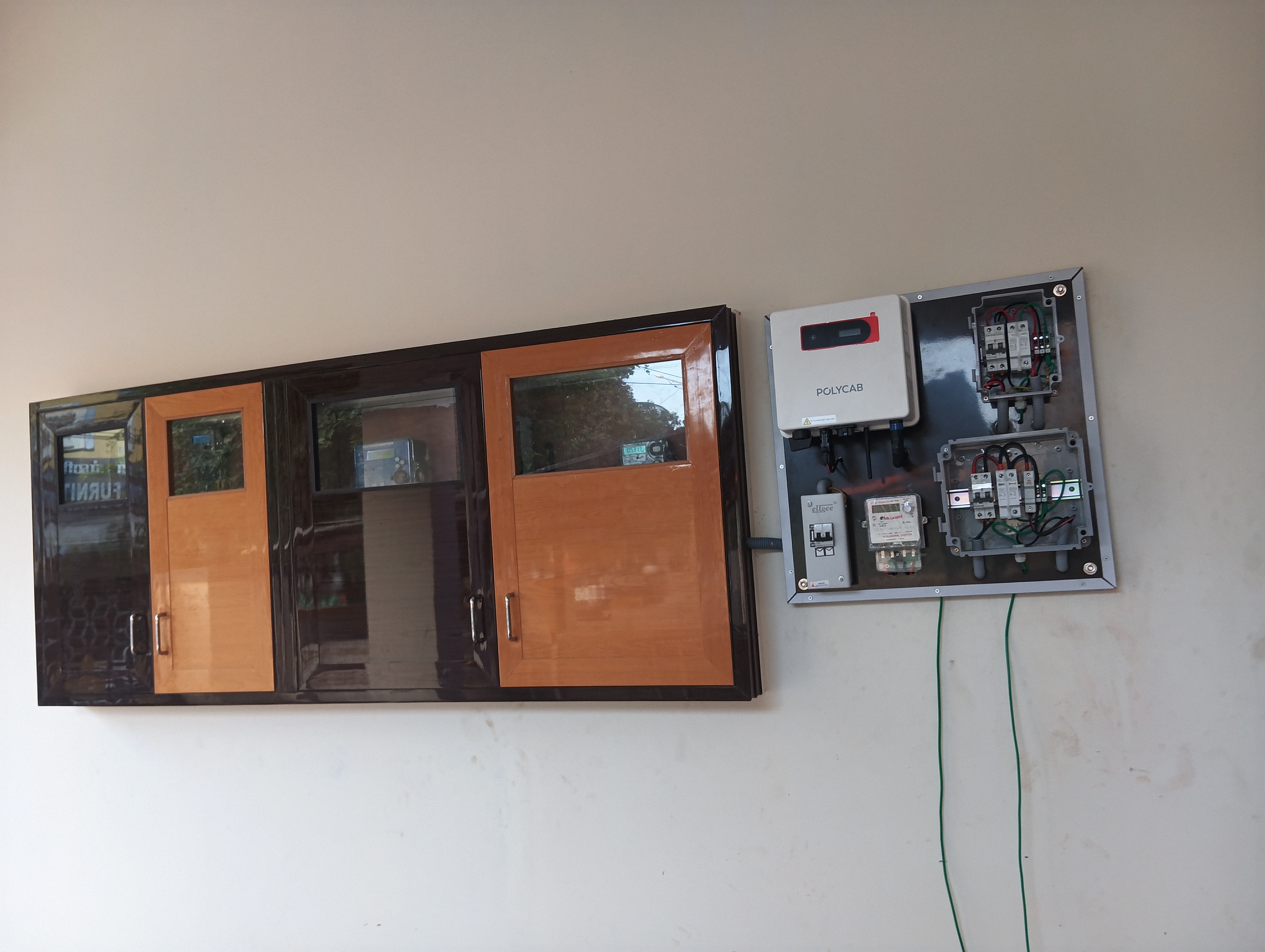
The on-grid solar system is a well-designed combination of multiple components that work together to convert sunlight into electricity.:

  • Solar Panels
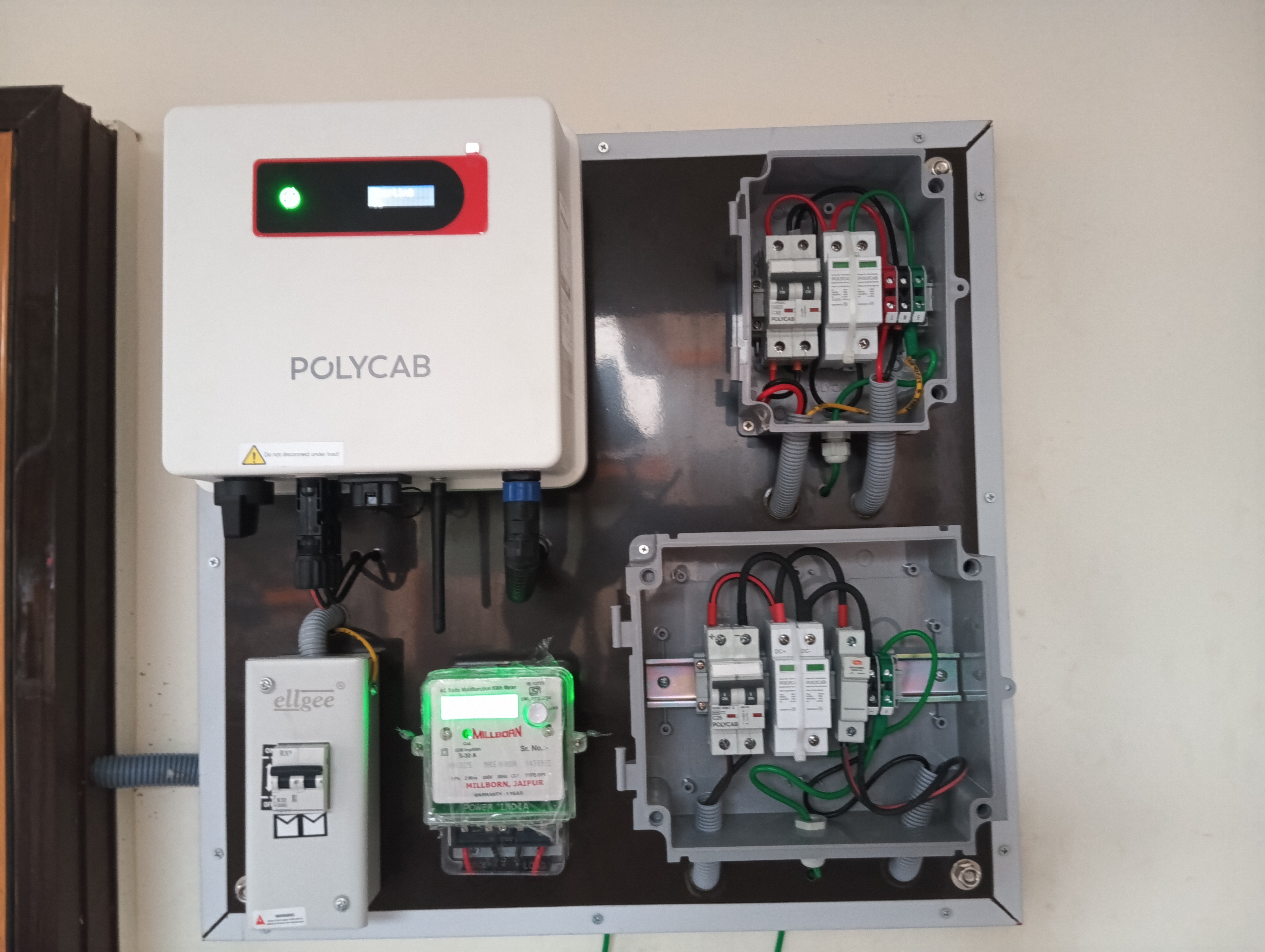
  • Solar inverter
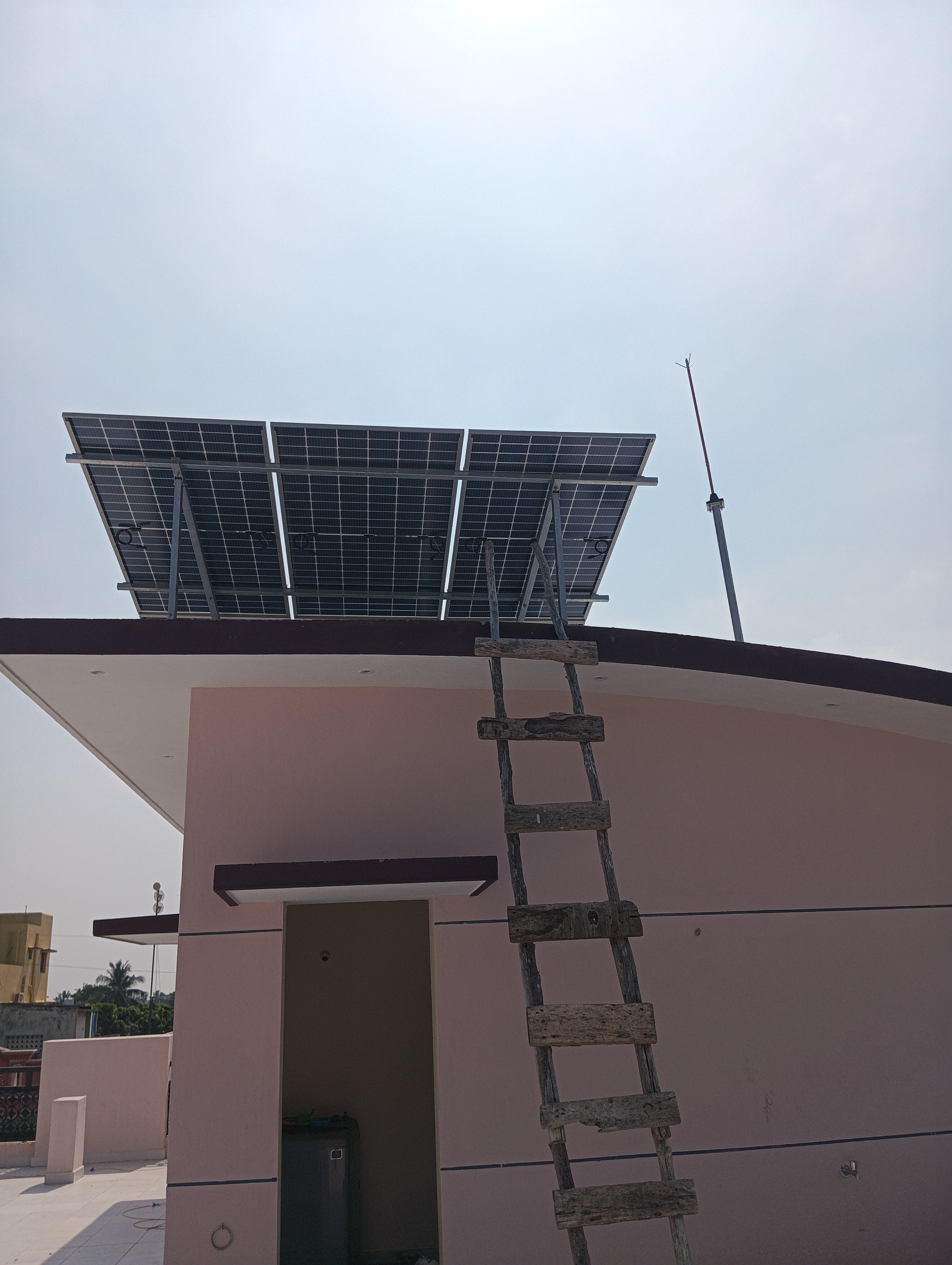
  • Solar module mounting structures
  • A bi-directional meter
  • Solar accessories (AC and DC cables, AC and DC combiner boxes, conduit trays, lightning arrester, MC4 connectors)
  • Solar Energy Capture and DC Power Generation: Solar panels, composed of photovoltaic (PV) cells, absorb photons from sunlight and free electrons within the cell’s semiconductor material. This movement of electrons generates a direct current (DC). The total DC output depends on factors such as panel efficiency, sunlight intensity, and shading. Needless to say, higher irradiance yields more current.
  • DC-to-AC Conversion via the Solar Inverter: The inverter is the heart of your solar system. It takes the panel-generated DC and inverts it into alternating current (AC), matching the frequency (50 Hz in India) and voltage of the local grid. Modern inverters also perform maximum power point tracking (MPPT) to continually adjust voltage/current inputs, extracting the highest possible power from your panels
  • Bidirectional Meter Integration Once converted to grid-compliant AC, the electricity flows through a bi-directional (net) meter. This meter precisely records both incoming units drawn from the grid and outgoing units exported from your solar system, ensuring you’re billed only for the net energy you consume.
  • Household Consumption of Solar-Generated AC: During the day, your home’s appliances, such as lights, fans, fridges, air conditioners, and electronics, draw AC power directly from the inverter output. Because solar power is typically the first source used, it reduces or altogether replaces the need to import electricity from the grid.
  • Exporting Excess Solar Power: If your panels produce more electricity than your household consumes at any moment, the surplus AC automatically travels back through the bi-directional meter into the grid. Your meter records these exported units, which may earn you financial credit or feed-in benefits under your local net-metering policy.
  • Grid Power When Needed: After sunset or during low-sunlight periods when it’s cloudy, the bi-directional meter switches to import mode if your solar output drops below your home’s demand. It draws the shortfall from the grid, using up any previously accrued credits first, so your appliances continue running seamlessly without interruption.

Solar Subsidy For On-grid System

The Indian government offers a subsidy when you install an on-grid solar system for home. This subsidy remains the same for all states in India. Here are the subsidy breakdown details:

Solar Subsidy Offered Under PM Surya Ghar Muft Bijli Yojana
Size
Subsidy Offer
1 kWP
Rs. 30,000
2 kWP
Rs. 60,000
3 kWP and Higher
Rs. 78,000


Please note : The subsidy is capped at Rs. 78,000 for on-grid rooftop solar systems that are 3 kWp or higher.

Off-Grid Solar System

An off-grid solar system, also known as a standalone solar system, works on the same principle as an on-grid solar system: the PV cells capture the sunlight and convert it to electricity. However, the major difference is that there’s no grid connection in the case of an off-grid solar power system. Instead, it uses batteries to store the electricity generated by the panels during sunshine hours. The off-grid solar system price in India is higher than that of an on-grid solar system price. Besides, maintaining off-grid solar systems takes more effort (and money) because batteries are involved and they have to be replaced periodically to keep the system functioning properly.

What is Off-Grid solar system?

An off-grid solar system is a standalone set-up that produces and stores electricity without any connection to the public utility grid. How? It stores the power it generates in batteries. It’s a careful set-up of the following components that work in tandem to produce electricity from sunlight:

  • Solar panels (modules)
  • Mounting structures
  • Batteries
  • Solar charge controller
  • Solar inverter
  • Solar accessories

When to Use an Off-Grid Solar Panel System?

Most Indian homes do not require off-grid solar systems, as their power consumption needs are met by on-grid rooftop solar systems, which are much cheaper and easier to maintain. However, you will need an off-grid solar system in the following situations:

  • You live in a remote area with no utility grid
  • Your area faces extreme power cuts, and the grid is unreliable

However, if you live in an area with a reliable grid connection, the benefits of an on-grid solar system are unbeatable!

What About Off-Grid Solar System Subsidy?

To clear the air once and for all, the Indian government does not offer a subsidy on off-grid solar systems under the PM Surya Ghar Muft Bijli Yojana. You need to install an on-grid rooftop solar system to receive the financial assistance the government offers in the form of a subsidy.

Hybrid Solar System

A hybrid solar system combines solar panels, a battery storage system, and a grid connection, allowing for the generation, storage, and use of solar energy even at night or during power outages. Unlike traditional on-grid systems, they provide energy security by using stored energy first, only drawing from the utility grid when batteries are depleted.

What is a Hybrid Solar System?

A Hybrid Solar System contains solar panels, a hybrid inverter, and battery storage to create an uninterrupted energy solution. The solar panels store sunlight and convert it into electricity, while the battery storage stores excess energy for later use. The functionality of this system starts from a Hybrid Solar Panel that helps to capture the sunlight and then convert it into DC (Direct Current) electricity. The DC electricity from the Hybrid Solar Panel is converted into AC (Alternating Current) with the help of an Inverter. Then the excess solar energy produced during the day is stored in a Battery Storage for use at night or on cloudy days for a continuous electricity supply. These systems combine the best features of grid-tied and off-grid solar systems, ensuring continuous solar power operation. When solar and battery energy are insufficient, then Grid Connection draws power from the grid and also exports excess energy to the grid. This way Hybrid Solar Systems can be used even during a blackout!

How Does a Hybrid Solar System Work?

There are various components involved in the working of the Hybrid PV System. The components involved are as follows

  • Solar Panels (PV Array) – They are installed on a rooftop or ground-mounted structure to get the maximum sunlight to convert solar energy into DC electricity.
  • Inverters – They convert the DC electricity produced by Solar Panels into AC electricity which is then used by household appliances. There are some types of Inverters which contain string inverters, microinverters, and hybrid inverters all of which handle both solar and battery inputs.
  • Batteries – These batteries store the extra solar energy generated so it can be used after sunset when there is low sunlight or on cloudy days. It contains a Battery Management System that helps monitor the charging and discharging of the battery to optimize its use and lifespan.
  • Grid Connection – When the battery and solar energy are insufficient the grid connection helps to back up the power source and it allows the excess solar energy to be fed back to the grid. There are some areas where they can earn credits for exporting the excess energy to the grid.
  • Energy Flow – To enhance the efficiency of the energy flow, Energy management helps to monitor and control its flow in the system. It also has smart technology which helps to store the power when it is most in demand.
  • Storage Mechanism – It involves the use of batteries to save access to solar energy generated through solar panels. When the solar generation becomes low the batteries help to generate electricity so that there is no power outage.

On-Grid vs Off-Grid Solar: Which is Better and Why?

Solar systems mainly come in two types: On-Grid Solar System and Off-Grid Solar System. The best choice depends on your electricity needs, location, and budget.

On-Grid Solar System

An on-grid solar system is connected directly to the government electricity grid.

Features:

  • Works with EB / electricity board connection
  • Uses net meter to send extra power to the grid
  • No battery required

Advantages

  • Lower installation cost
  • High efficiency
  • Sell extra electricity to EB
  • Less maintenance

Disadvantages

  • No power during EB power cut
  • Depends on grid connection

Best For

  • Houses in cities
  • Places with stable electricity supply
  • People who want to reduce electricity bill

Off-Grid Solar System

An off-grid solar system works independently and uses batteries to store solar energy.

Features:

  • Not connected to EB grid
  • Uses battery for power storage
  • Works during power cuts

Advantages

  • Power available during blackout
  • Suitable for remote areas
  • Full energy independence

Disadvantages

  • Higher cost (battery required)
  • Battery maintenance needed
  • Battery replacement every few years

Best For

  • Villages or remote areas
  • Places with frequent power cuts
  • Locations without EB connection
   Quick Comparison
Feature
On-Grid Solar
Off-Grid Solar
Grid Connection
Required
Not required
Battery
Not needed
Required
Cost
Lower
Higher
Power During Power Cut
No
Yes
Maintenance
Low
Medium

Conclusion

Installing an off-grid solar system in India is the best way to light up homes in rural areas with no (or unreliable) power grid. The electricity generated can light up homes without causing pollution. While the off-grid solar system price in India is higher than that of an on-grid solar system, investing in an off-grid system is worth it when the power grid is not available. In fact, off-grid solar systems are also a great option in industrial setups.

Solar Water Pump

A Solar Water Pump uses electricity generated from solar panels to pump water for agriculture, homes, and industries. It is very useful in areas with power shortages.

Main Components

  • Solar Panels – Convert sunlight into electricity.
  • Pump Controller / Inverter – Controls power from panels to pump.
  • Electric Motor Pump – Pumps water from borewell, open well, or tank.
  • Mounting Structure – Holds solar panels facing the sun.
  • Pipes & Cables – Carry water and electricity.

Types of Solar Pumps

  • Submersible Solar Pump
    • Installed inside borewell
    • Best for deep water levels (100–600 feet)
  • Surface Solar Pump
    • Installed outside the water source
    • Used for lakes, ponds, and open wells

Applications

  • Agriculture irrigation
  • Farm water supply
  • Drinking water for villages
  • Garden irrigation
  • Livestock farms

Benefits

  • Uses free solar energy
  • Saves electricity cost
  • Low maintenance
  • Works in areas without EB power
  • Eco-friendly and pollution-free
  • Long life (20–25 years solar panels)
Solar Pump Capacities
Pump Size
Solar Panel Capacity
Water Output
1 HP
900W – 1200W
10,000–15,000 L/day
2 HP
1600W – 2000W
20,000–30,000 L/day
3 HP
3000W
40,000–50,000 L/day
5 HP
4500W – 5000W
70,000+ L/day

FAQ

What is the Eligibility for Solar Subsidy?

The PM Surya Ghar scheme is open to all Indian citizens legally occupying or owning a residential property with a valid electricity connection. As an applicant you must have sufficient rooftop space for the panel installation and must not have availed other types of central subsidy for the same system. The subsidy does apply only to residential consumers.

What is the Eligibility for Solar Subsidy?

We work closely with established technology partners and industry-leading brands to deliver high-quality, certified components that ensure optimal performance, reliability, and long-term efficiency, supported by prompt after-sales service and dedicated technical support.

What is the Eligibility for Solar Subsidy?

In addition to standard installations, we provide individual customer-specific customized solutions, including the design and execution of special mounting structures tailored to unique site conditions, roof types, load requirements, and project specifications, ensuring maximum system efficiency and durability.

What is the Eligibility for Solar Subsidy?

Royal Solar System is an empanelled registered Solar vendor with MNRE (Ministry of New and Renewable Energy) under the TANGEDCO. All systems and components supplied by us are approved and fully compliant with Government of India standards and regulatory guidelines.

Eligibility

We accept returns within 30 days of purchase with a valid receipt.

Do you offer customer support?

Yes, our support team is available 24/7 via email and chat.